
New York fire door installation and repair: First confirm the complete door assembly
Fire doors are not just individual panels. The door leaf, frame, hinges, door closer, latch, escape hardware, glass, and sealing materials need to be inspected as a system. Before on-site repairs or alterations, the nameplate, building purpose, project drawings, and relevant departmental requirements should be verified.
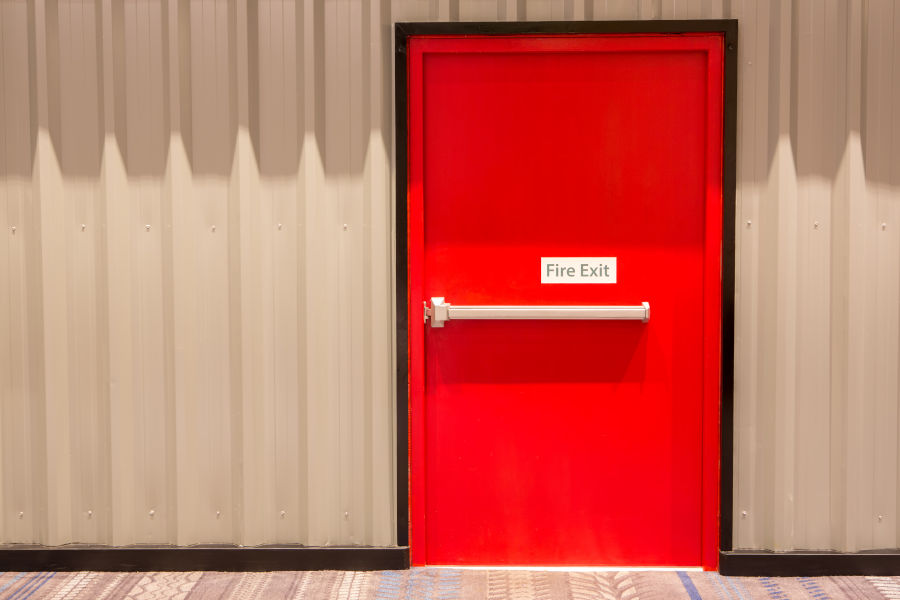
Why are fire doors so important?
- Preventing the spread: Block flames and smoke in designated areas to buy time for evacuation and firefighting.
- Safe evacuation: Keep passageways openable and automatically closed to reduce congestion and panic.
- Asset protection: Limit the scope of damage and reduce business downtime and data/equipment loss.
- Compliance requirements: Most building types are legally required to have qualified fire doors installed in specific locations.
Fire resistance rating and structural features
Common fire ratings (examples)
- 20/45/60/90/180 minutes (subject to nameplate)
- Door panels, frames, glass, and hardware need to be matched systematically.
Key components
- Door leaf/frame with nameplate: steel or composite fire-resistant material
- Self-closing mechanism: Door closer/floor spring ensures the door closes automatically.
- Fire-resistant hardware: hinges, lock bodies, door sequencers, door bolts, door clamps
- Fire-resistant glass: fire-resistant/smoke-proof sealing strips and door gap control
Common non-compliance situations
- Remove the door closer or use wedges/carpets to prop the door open.
- Replaced hardware but without fire-certified accessories
- Shorten/cut the door leaf, fill the door gap
- Lost or covered nameplate/label
If you need to install access control/automatic doors, please use certified interoperability solutions (electric locks, time delays, sequencers) to maintain fire protection and evacuation functions.
Regulations and Compliance (Overview)
New York City fire codes require that relevant fire door components remain operable, and swing-type fire doors should be able to close and lock automatically from fully open and partially open positions. The applicable requirements for residential apartment doors and public corridor doors should also be determined based on the building type. Specific rectification measures will be based on project drawings, door nameplates, and the opinions of the relevant authorities.
- The door/frame/hardware/glass must have valid certification labels and be compatible with the system.
- Evacuation routes, clearance, and resilience must meet the requirements for passage and accessibility.
- Annual or scheduled routine inspections and records .
Official references: NYC HPD Self-closing Door Instructions and NYC Fire Code Chapter 7. This page describes the scope of repairs and does not replace design, permit, acceptance, or regulatory authority determination.
Our Services
Installation/Replacement
- Complete steel/wood fire door system (including door frame and seals)
- Fire-resistant glass with viewing window, escape push bar, door closer/sequencer
- Electric lock/access control linkage (to maintain evacuation compliance)
Repair/Restore Compliance
- Door closer leaking oil/not closing tightly, door gap/door frame misalignment
- Replace certified hardware and reinstall smoke-proof seals
- Nameplate verification, rectification report and inspection plan
Standard Procedure
- On-site investigation: measuring the opening, verifying zoning and grade requirements.
- Solution and Quotation: Configuration List, Construction Period and Warranty Description
- Standardized construction: Protect the environment, install and debug according to drawings.
- Acceptance documents: Nameplate and photo archives, operation and maintenance manual
- Maintenance and Inspection: Routine inspections and rectification suggestions to maintain compliance.
Maintenance and Inspection (Recommended)
- Check damaged/loose parts and door gap dimensions.
- Door closer/floor spring function and rebound force test
- Lubrication and adjustment of hinges, latches, and sequencers
- Integrity of smoke-proof seal and door bottom seal
- Record keeping: Inspection forms and rectification closed loop
Frequently Asked Questions
How can I determine if my door is a fire door?
Check the edges or hinges for a certification plaque (including grade/manufacturer/number). If it is covered up or missing, please contact us for evaluation.
Can a glass viewing window or access control system be installed?
Yes, but certified components and proper installation methods must be used to ensure that fire ratings and evacuation procedures are not compromised.
How often should an inspection be conducted?
It is recommended to perform this at least once a year or as required by the owner/fire department. More frequent visits are recommended for key locations and high-traffic areas.
Contact us now
We can contact you to confirm on-site arrangements in the five boroughs of New York, Long Island, Westchester, and parts of New Jersey. Please provide photos of the door, nameplate, door frame, and door closer condition to help determine the scope of the inspection.
Related services: automatic door closers , commercial doors , loading dock equipment .
We also undertake the installation and repair of garage doors/roller shutters/roller curtains/warehouse doors, as well as projects such as stainless steel awnings, glass doors, wrought iron and stairs. On-site measurement and design are supported.
Search keywords Tags
NYC Fire Door Installation & Repair
Why Fire Doors Matter
- Containment: Compartmentation buys time for evacuation and response.
- Egress Safety: Self-closing, latched doors keep routes usable and orderly.
- Asset Protection: Limits damage spread and downtime.
- Regulatory: Required in many occupancies and locations by code.
Ratings & Construction
Typical Ratings
- 20/45/60/90/180 minutes (per label )
- Door, frame, vision kit, and hardware must be listed as a system
Key Components
- Labeled leaf/frame: steel or composite fire-resistant materials
- Self-closing device: closers/floor springs
- Fire-rated hardware: hinges, locks, coordinators, latches
- Fire glazing & seals: smoke/edge seals and correct clearances
Common Noncompliance
- Propping doors open or removing closers
- Non-listed hardware substitutions
- Undercutting/planing edges beyond limits
- Missing or painted-over labels
Access control/automatic operators must use listed, compatible components to preserve rating and egress.
Code & Compliance (Overview)
Work references NFPA 80 , IBC/IFC , and NYC Building/Fire Code . Final requirements depend on occupancy, location, and AHJ direction.
- Leaf/frame/hardware/glazing must carry valid labels and be system-compatible.
- Egress swing, clearances, and operating forces must meet code and accessibility rules.
- Periodic inspections with documentation as required.
What We Do
Install / Replace
- Steel/wood fire door assemblies with frames & seals
- Vision kits, panic devices, coordinators/closers
- Access control with egress-compliant electrified hardware
Repair / Remediation
- Closer leaks, latching issues, alignment & clearances
- Listed hardware swaps, smoke seal upgrades
- Label verification, deficiency punch-lists & reports
Our Process
- Survey: opening measurements, rating and location review
- Proposal: scope, lead time, and warranty
- Install: code-compliant fit-out and commissioning
- Close-out: label photos & O&M documentation
- PM: periodic inspections and maintenance plans
Maintenance & Inspections
- Check damage/looseness and verify clearances
- Test self-closing/latching; adjust closer/floor spring
- Lubricate hinges/locks/coordinators as needed
- Verify smoke/edge seals and bottoms
- Keep records for code and insurance
FAQ
How do I know it’s a rated fire door?
Look for a label on the hinge edge or top of the leaf/frame with rating, manufacturer, and listing info. If painted over or missing, contact us.
Can I add a vision lite or access control?
Yes—with listed components and the correct installation method to preserve rating and egress.
How often should I inspect?
At least annually or as required by the AHJ/insurance; high-traffic doors may need more frequent checks.
Contact Us
Contact us to confirm scheduling in the greater NYC area. Photos of the label, door, frame and closer help define the inspection scope.
We also service garage/roll-up/warehouse doors, storefront glass, stainless canopies, ironworks, and more.