
Garage door won't close or open? Safety check and repair guide
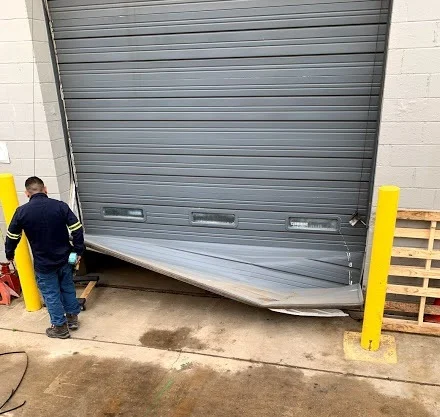
Garage doors that won't close, open, or only open halfway could be caused by faulty safety sensors, remote controls, or foreign objects in the tracks. It could also involve high-tension springs, cables, track deformation, or motor malfunctions. This article only describes safety observations of non-disassembly components; if high-risk signs are detected, operation should be stopped and an inspection arranged.
First, ensure safety.
First, move people, vehicles, and goods away from the door's operating area, and do not stand under the door. If the door is tilted, the spring is broken, the steel cable is loose, or the track is obviously deformed, do not pull the emergency release rope, and do not attempt to manually lift the door.
II. Common Causes and Solutions
1. The sensor is obstructed or misaligned.
Garage doors typically have safety sensors installed under the track. If these sensors are obstructed by dust or debris, the door may fail to close.
(Safety observation is recommended.)
-
Wipe the sensor lens with a dry cloth.
-
Observe whether the indicator lights on both sides are consistent, without disassembling the wiring or bracket.
-
If the wiring is damaged, loose, or damp, stop using it and arrange for an inspection.
2. The remote control or wall switch is malfunctioning.
Sometimes the problem lies in the control system, not the garage door itself.
Solution:
-
Replace remote control batteries
-
Try using the wall button to operate the door and see if it works normally.
-
Check if the switch wiring is loose.
3. There are foreign objects or deformations in the track.
Foreign objects such as pebbles or wood chips stuck in the tracks, or tracks deformed due to impact, can cause doors to jam.
Safety precautions:
-
Clear foreign objects from the track
-
Do not strike or force the vehicle if the track is deformed, the fixing points are loose, or the rollers are derailed.
-
Severe deformation requires replacement of the track.
4. Spring or steel cable loosened.
Springs and steel cables are high-tensile load-bearing components; if they loosen or break, the door may move suddenly.
Handling principle:
-
Do not touch, tighten, disassemble, or rewind the springs and steel cables.
-
Isolate the operating area of the gate and inform the maintenance personnel whether the gate is tilted, whether the steel cable is out of groove, and the condition of the spring.
5. Motor or control board malfunction.
If there are no obvious problems with the sensors and track surface, the fault may also originate from the motor, limit switches, or control board.
Safety checks:
-
Record any unusual odors, sounds, flashing lights, or error codes from the motor without opening the motor casing.
-
The control board is faulty and needs replacement; it is recommended to find a professional technician.
III. Prevention Tips
-
Clean the tracks and sensors regularly.
-
Check screws, cables, and springs for looseness every six months.
-
Try to avoid piling up clutter under the garage door.
If you can't fix it yourself, find "New York" Door Fix Master More worry-free
Cleaning the sensor surface or replacing the remote control battery is a low-risk inspection; if it involves springs, steel cables, tracks, door balance, limit switches, or the inside of the motor , operation should be stopped and an inspection should be arranged.
New York Door Fix Master We provide repair and installation consultation for garage doors, roller shutters, and loading docks. When contacting us, please provide photos of the door frame, tracks, springs, cables, sensors, and motor labels, along with a description of the malfunction.
📞 Contact Person: Sam
📱 Phone: 929-500-0059
🔧 Services: Garage door repair, spring/cable replacement, motor repair, track replacement, commercial roller shutter installation, etc.
Whether it's a home garage door or a commercial roller shutter , stopping forced operation and recording signs of malfunction will help determine the scope of repairs later.